Planning Family Activities That Boost Learning
Learning does not stop once the preschool bag is hung up for the weekend. It keeps ticking along in the smallest places, folding socks, chasing leaves, helping stir tonight’s dinner. For many families, planning activities has to work around shifts, rosters and tight pockets of time. The good news is that meaningful learning does not need big outings or price tags. With a bit of awareness, the everyday rhythm of home can quietly build thinking, confidence and care. From play that follows your child’s own spark to noticing moments that help emotions settle, it is about using what is already there. No pressure. No screens. Just real connection.
Start with Their Interests, Not a Plan
Before setting up an activity, pause for a second and think about what your child naturally leans into. Maybe it is hiding under blankets, pouring water from one cup to another, or stomping around in gumboots.
- Match their interests with open-ended play, where the outcome is not set and there is room to wander and wonder. A tub of old containers might turn into a pretend cake shop or a tool station, depending on the mood.
- Tuning into what sparks their joy helps your child lead the play, this builds their independence and keeps things fun, not forced.
- Let the learning sneak in quietly. Measuring soil for a planter box teaches volume. Collecting sticks for a cubby hints at early engineering. Play that grows from their hands often brings more growth than anything that feels like a lesson.
Our educators at Eskay Kids purposefully observe each child’s unique passions and ideas and plan experiences to build on those, which makes play and learning at home even more rewarding.
Turn Daily Routines into Learning Moments
Busy households offer more learning spaces than we sometimes notice. The key is inviting children into what is already happening.
- Help with laundry and ask them to match socks or talk about colours. These small tasks form early maths and pattern recognition.
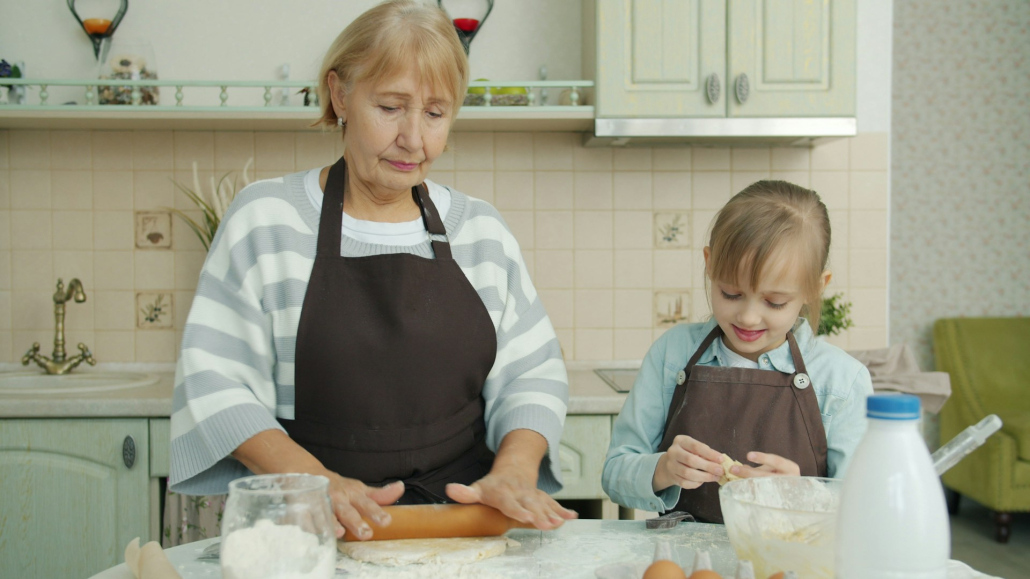
- While prepping meals, talk about what you are adding and ask questions. “What happens when we stir the batter?” or “How does the pasta feel now it is cooked?” builds language and curiosity.
- Keep it simple and conversational. A question like “Which drawer does the fork go in?” stretches sorting and memory. These moments build thinking without setting aside extra time.
Make Space for Outdoor Curiosity
The backyard, the nearby park, or even the footpath to the shop can become places where questions bloom.
- A puddle after rain can lead to a chat about weather. A trail of ants might set off counting or new vocabulary as you follow them.
- Let your child take the lead. If they stop to touch bark or jump on a crack in the path, encourage it. That pause might offer something new to learn or talk about.
- With open time outside, kids move more, settle better and learn with their whole body. It does not need to be planned, it just needs to be noticed.
Nature play is a big part of our program, with large outdoor areas purpose-built for children to connect with the world, gain confidence, and build physical skills in real, hands-on ways.
Use Storytelling as a Bridge
We all love a good story. And for preschoolers, stories do not need to come from books to do their magic.
- Use real moments from your week to start a story. “Remember when the bird flew into the garden?” Let them fill in what happened next.
- Role-playing with toys or dress-ups helps children organise their thoughts and stretch imagination. It also gives them tools to process emotions or test out new ideas.
- Make up no-book stories using what is around you. A spoon becomes a pirate or a peg becomes a snail. Letting them guide the plot boosts their creativity and confidence with words.
Support Their Emotions, Not Just Their Skills
Learning sticks best when a child feels emotionally safe. Rushing through tears or frustration does not teach growth, it leaves it behind.
- When something is hard, like stacking blocks that keep falling or losing a game, pause and stay close. That is when the real learning, about persistence, resilience and trying again, can happen.
- Name emotions out loud: “You are feeling annoyed it did not work, huh?” It helps them understand their own feelings and how to talk about them.
- Focus on the effort, not just the win. Praise things like “You waited so patiently” or “I saw you try again.” These comments build belief in their own learning, which matters more than ticking off tasks.
Keep Learning Real, Playful and Grounded
There is no need for strict routines or elaborate tools when it comes to helping your child grow through preschool years. What matters is noticing what makes them light up and using that as a doorway into exploration.
At Eskay Kids, our approach values slow moments just as much as big adventures, so children have time to build skills and feelings of “I can do this.”
Weekends and evenings do not have to be packed with formal plans. A slow moment in the garden, a silly challenge on the living room floor or a chat at the sink can all teach something, without anyone realising it. These are the moments that help children feel capable, trusted and ready for whatever comes next. And they start right at home.
At Eskay Kids, we believe real growth happens in places that feel familiar, back gardens, kitchen benches, and mud-covered boots. Our play-first approach brings connection, curiosity and calm into every day, helping your child build confidence through moments that matter. For support that matches your family’s rhythm and honours your child’s natural way of learning, our preschool program could be a great fit. Let’s talk about what you need and how we can help make that daily juggle feel a little easier, contact us today.