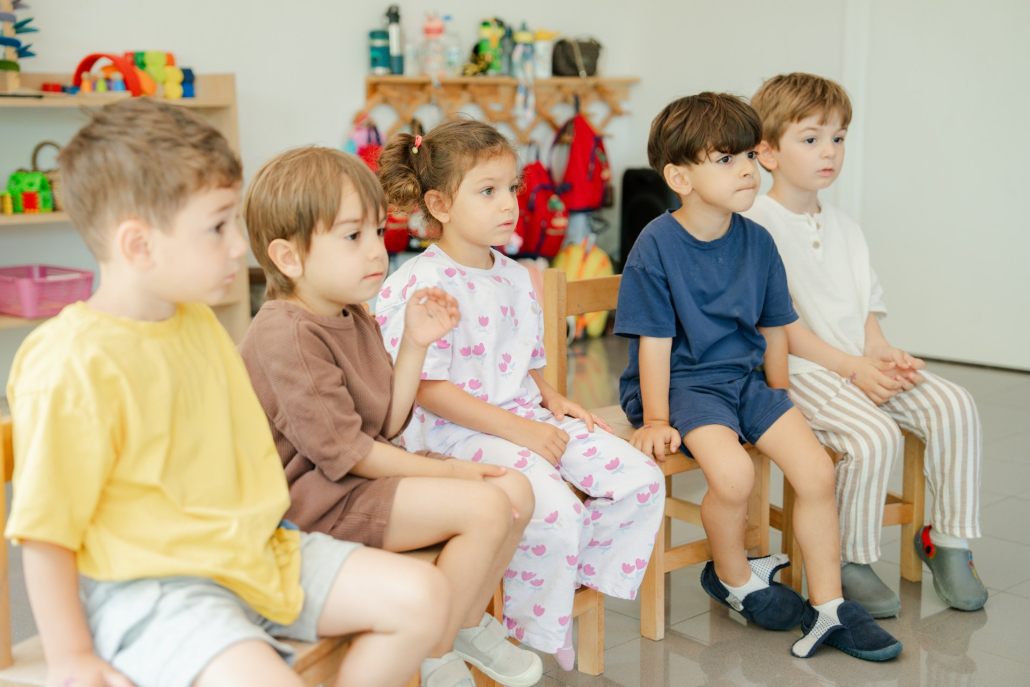
The Benefits of Group Play for Social Development
Group play is one of the most valuable ways young children begin to build social and emotional understanding. Whether it is trading turns on the swing, deciding who gets which toy animal, or teaming up to build with blocks, these real-life moments help shape how children see themselves and others. For families thinking about child care in Springfield, knowing their child is learning through genuine play with friends can bring a real sense of peace.
In many ways, group play is the quiet beginning of deep personal skills. It helps children learn how to speak up, how to compromise, and how to care about the people around them. These skills are not learned from a book. They come alive through real play, guided by adults who support and tune into the child’s cues. When children are given the time and space to play and connect, their confidence gently grows.
Building Confidence Through Shared Play
Children test ideas and solve everyday problems through shared play, which slowly builds up belief in themselves. In small groups, kids get more chances to try being the leader, the helper, or the idea-sharer.
- Many social steps happen in play, whether a child is saying, “Can I join?” or helping settle a disagreement over who had the ball first
- Group play gives space for practice, not perfection. Children improve their timing, language, and actions by doing them often, not just by being told
- Quick emotional wins, like finishing a group project or choosing story roles together, help a child feel proud in a calm, grounded way
Our play-based program is intentionally designed so children can interact in small and large groups throughout the day, allowing learning to unfold at each child’s pace and interest.
These daily wins help children enter new groups with less fear. They also get better at adjusting plans when something does not go their way. This kind of bounce-back builds emotional strength they carry into school and beyond.
Understanding Feelings and Caring for Others
When children spend regular time with others, they experience a whole range of emotions. Joy, curiosity, hiccups like frustration, and learning how to wait all come into play. It is in these daily moments that children learn how emotions work.
- They begin to notice how others are feeling and start asking, “Are you okay?” or “Want help?”
- Educators guide conversations gently, offering phrases that help name feelings or ask what a friend might need
- This repeated care turns into something lasting. Kids begin to think about others even during unstructured play
Practising kindness is not done through rule lists. It is done by noticing, pausing, and helping, over and over again. These small exchanges are what shape strong, thoughtful friendships.
Learning to Navigate Group Dynamics
Not every game goes smoothly. Group play comes with bumps, who had what idea first, how many turns someone gets, or why a block tower got knocked down. These are real, often tricky, moments that matter.
At child care in Springfield, daily group time offers room for trial and repetition as children learn how to move through those rough spots. Instead of stepping in with rigid rules, adults support the child’s role in choosing better next steps.
- Children learn to speak their needs, wait while another friend talks, or ask a grown-up for ideas when they feel stuck
- They hear reminders in a calm voice, not as discipline but as help
- Over time, we see them start to make fairer choices and reach out to new friends
At Eskay Kids, educators use intentional planning to observe relationships and support smoother group play by adapting activities, room layouts, and outdoor areas to encourage both collaboration and independence.
When they are supported in sorting things out themselves, children begin to understand their place in a group without being pushed to fit a certain mould.
Preparing for Life Beyond Daycare
Social learning stays with children well past the toddler or preschool years. The benefits of patient, thoughtful group play build a strong base for Prep and the wider world outside daycare.
- Shared play supports real-world skills, like sticking to a plan, taking turns, and asking for help when it is tricky
- It helps children recognise that every group needs a mix of personalities. They have learned that being quiet does not mean unnoticed, and being energetic does not mean unwanted
- By practising in smaller, calmer groups, children do not feel rushed. Their social confidence grows at their own pace
Being with a range of peers daily helps children feel belonging and acceptance. Tasks like sitting in a group, listening actively, or waiting their turn all feel natural because they have done them gently and often.
Why These Social Skills Make Home Life Easier Too
The ripple effect of these group skills often shows up at home. Parents start to hear more stories about friendships, notice that sibling squabbles soften, or find that their child waits patiently at the table instead of snapping at a sibling.
- Children who play cooperatively often have more control over their emotions in busy evening routines
- Sharing with classmates builds habits that stretch into family life, offering, helping, and waiting
- Caregivers notice that evenings feel calmer and transitions easier when their child has had a balanced day of social learning
A community focus is woven into our centres so that families and children feel supported by familiar faces and reassuring routines, both in care and at home.
For many families juggling long shifts, early mornings, or unpredictable days, knowing their child is in a space where friendships grow with care brings quiet relief.
A Stronger Start Through Shared Moments
Group play does not need to be loud or showy. At its best, it is natural, ongoing, and shaped by the children themselves. A child may be leading play one day and watching it quietly the next. Both teach something different, and both are welcome.
Children of all types, whether bold or hesitant, chatty or thoughtful, benefit from daily moments of interaction where they are heard, included, and gently guided. It is where real confidence begins.
For families seeking child care in Springfield that values connection more than instruction sheets, group play offers a strong foundation. Nothing flashy, just everyday warmth, chances to grow, and the support to try again tomorrow.
Families managing shift work, early starts, or simply seeking a nurturing, calm environment for their child to build genuine friendships will find our nature-rich approach a welcome solution. At Eskay Kids, we understand how important it is for both children and parents to feel truly supported without added pressure. For families interested in respectful, play-based child care in Springfield, our dependable team provides straightforward care that aligns with your family’s unique rhythm. We embrace every child with warmth and create confidence through natural small group play. Call us today to discover how we can help make your weekdays a little smoother.