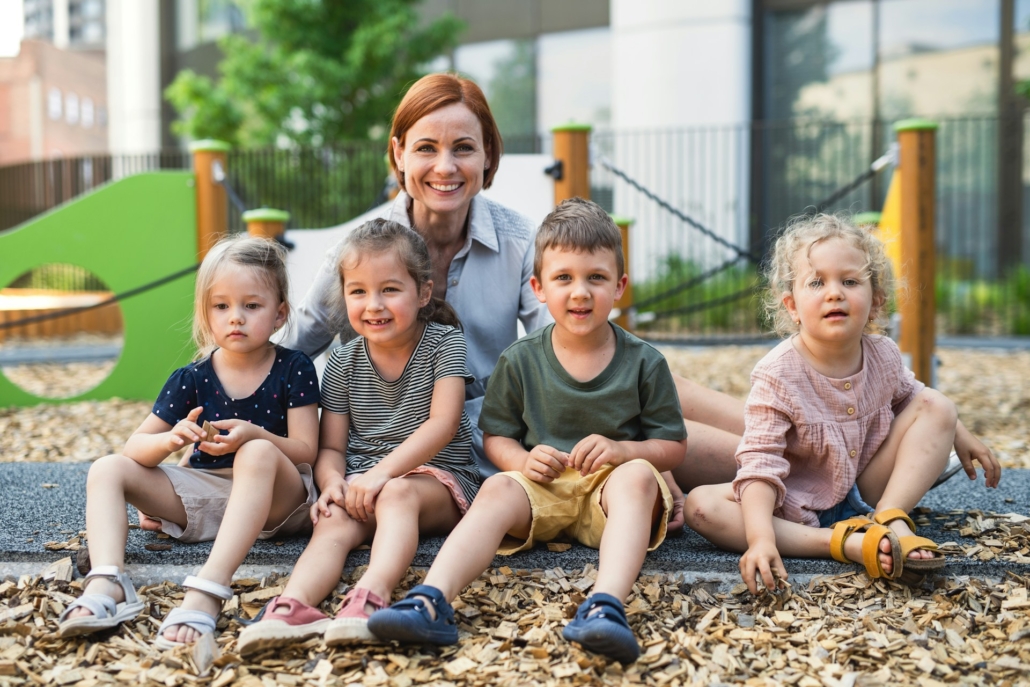
Assessing Outdoor Space Quality in Ipswich Childcare: Shade, Biodiversity
What High-Quality Outdoor Space Really Means for Kids
Outdoor play in childcare should be more than a quick run around a plastic fort. A child’s day can look very different depending on the kind of yard they have. In a rich, natural space, they might start the morning under tall trees, feeling cool grass under their feet, watching birds in the branches and building a village in the sand with friends. In a cramped, artificial yard, the day is mostly waiting for a turn on the slide and being told to “be careful” every few minutes.
That difference matters. Quality outdoor space supports brain development, physical strength, social skills and emotional resilience. Children think more clearly after moving their bodies, learn to read other people’s cues through group play and build confidence by testing their own abilities in safe ways.
In Ipswich, with its long summers and outdoor lifestyle, it makes sense to look for childcare with real outdoor space that children can access every day, not only when it suits adult routines. When you visit a centre, there are four big themes that can help you judge outdoor quality: shade and comfort, biodiversity and nature play, healthy risky play and how often children are actually outside.
Shade, Heat and Comfort in Ipswich’s Long Summers
Ipswich families know the sun can feel fierce, even in the middle of winter. The UV index stays high for much of the year, and hard surfaces heat up quickly. So when you are thinking about childcare with real outdoor space, shade and heat management are key.
It helps to look for a mix of natural and built shade, rather than relying on one solution (like a single sail over the sandpit). Helpful signs include:
- Trees that throw generous shade
- Vines over pergolas or fences
- Verandas and covered decks that children can play on
- Shelters that create pockets of shade at different times of day
Ground surfaces matter too, because large stretches of synthetic turf or rubber can become very hot to touch. Cooler options often include:
- Natural grass that children can sit and roll on
- Mulch or bark under climbing areas
- Sand, soil and pebbles that invite digging
- Paths that are not all dark concrete
On a tour, it can help to ask a few simple, direct questions so you understand how the centre plans for comfort (not just supervision). For example:
- How do you manage very hot days?
- Are children still able to be outside around the middle of the day under shade and with water play?
- Do you have outdoor fans, misters or quiet shaded corners for rest?
You are looking for centres where the answer is not “we just keep them inside when it is warm,” but instead shows thoughtful planning for safe, comfortable outdoor time.
Biodiversity and Messy Nature Play, Not Just Plastic Toys
Biodiversity might sound like a big word, but in childcare it simply means a living, changing environment. It is the difference between a flat yard of plastic equipment and a garden that buzzes, rustles and grows across the year.
In a biodiverse play space, you might see features like gardens with a mix of shrubs, flowers and groundcovers, along with natural elements such as logs, rocks and stumps for climbing and sitting. You may also notice long grass patches or wild corners for quiet watching, plus hands-on areas such as mud kitchens, sand zones and simple water channels. Some centres also include veggie patches or herb beds that children can help care for.
These kinds of features invite messy, hands-on play. Children feel bark, crunch leaves, follow ants, smell herbs and listen to birds. This kind of sensory play supports early science thinking and feeds natural curiosity. Many children also find leafy areas calming and can focus for longer outdoors than in a bright, busy room.
When you visit, notice whether the outdoor environment supports everyday, child-led nature play. You can look and ask for cues such as:
- Do children help water plants or collect leaves for play?
- Is there a space where they can dig freely?
- Are sticks, seed pods and stones available as play materials?
- Does the outdoor area feel alive, or mostly plastic and concrete?
A childcare with real outdoor space will not look perfect. You might see worn paths where children always run, little “play zones” they have created themselves and natural features that change over time. That is usually a sign of genuine, daily use.
Understanding Risky Play and Safe Adventure Outdoors
Healthy risky play is not about danger. It is about challenge. Children learn a lot when they climb, balance, jump and test their ideas in safe but stretching ways. Risky play might include climbing a tree, walking along a log, building with loose planks or using real tools with close support.
This is different from hazards, which are things children cannot see or judge well, such as broken equipment, sharp metal or unsafe fencing. High-quality centres work hard to remove hazards while still planning for challenge.
Why does this matter? Managed risk helps children:
- Build strength and coordination
- Learn to assess their own limits
- Solve problems and think creatively
- Grow confidence in their own bodies
When you tour, you can often “read” a centre’s approach by what the outdoor environment makes possible. Look for things like climbing options on trees or sturdy structures, uneven ground or small slopes and rocks to scramble over, and loose parts (such as crates, planks, tyres and branches) that allow children to build and test ideas. It also helps if there are clear boundaries, such as visible fences and defined play areas, so the space feels secure while still offering challenge.
It is also helpful to ask educators a few questions to understand how they balance safety with independence:
- What do you do when a child wants to climb higher?
- How do you decide when to step in and when to stand back?
- How do you talk with children about keeping themselves and others safe?
Centres that value risky play will not say “we just do not let them do that.” Instead, they will describe how they observe, guide and involve children in understanding safety.
Daily Outdoor Access and Weather-Ready Routines
Daily outdoor access should mean long, meaningful time outside in most weather, not just a quick play after morning tea. In our Ipswich climate, mornings and late afternoons are often beautiful for long, steady play. Light rain or wind can also be an opportunity, as long as children are dressed for it and spaces are set up with care.
Regular outdoor time helps children:
- Build resilience and flexible thinking
- Develop stronger immune systems through fresh air and movement
- Sleep and rest more deeply after active play
- Feel calmer, especially if they can retreat to quiet nature nooks
A centre that takes outdoor time seriously usually shows it in the routines and expectations they set with families, as well as in how the spaces are designed and used. Signs can include:
- Families asked to send gumboots, raincoats, spare clothes and sun-safe hats
- Verandas and shelters that clearly function as play spaces, not just walkways
- Educators happy to follow children’s interests outside, even if it means shifting routines a little
Good questions for your tour could be:
- How much time do children usually spend outside each day?
- Do babies and toddlers have their own outdoor spaces and regular access?
- What happens outdoors on rainy days?
- What do you do outdoors when it is very hot?
Listen for answers that describe rhythms of the day outside, not just detailed indoor timetables.
Touring Ipswich Centres with Outdoor Quality in Mind
When you visit Ipswich childcare services, it helps to look past the shiny equipment and focus on how the space feels and functions for children. A simple checklist can keep you on track:
- A variety of shade, both natural and built
- Plenty of living plants and signs of small animals or insects
- Climbing and balancing options with different levels of challenge
- Loose parts for building and pretend play
- Quiet, leafy corners where a child could read or daydream
- Visible areas for water play and mud or sand
- Worn paths, child-made cubbies and other signs of daily outdoor use
While you are there, watch the children more than the structures. Notice:
- Are they deeply engaged in what they are doing?
- Do you hear laughter, see calm focus and cooperative play?
- Is there enough room for running, rolling, digging and resting?
- Are educators down at children’s level, joining in conversations and play?
Choosing childcare is also about your family’s values. Some families care deeply about a love of nature, an authentic, unhurried childhood and small, community-focused environments where relationships come first. At Eskay Kids, our nature-based, play-led approach in our Queensland centres, including our Ipswich service, is grounded in these same ideas. We see outdoor space as the heart of early learning, and we design our days so children can truly live and learn in it.
Give Your Child Room To Explore, Learn And Grow Outdoors
At Eskay Kids, we believe children thrive when they have meaningful time in nature every day. If you are looking for childcare with real outdoor space, our Springfield service is designed to give children the freedom to move, explore and discover at their own pace. We invite you to reach out to our team with any questions or to chat about your child’s needs via our contact page.