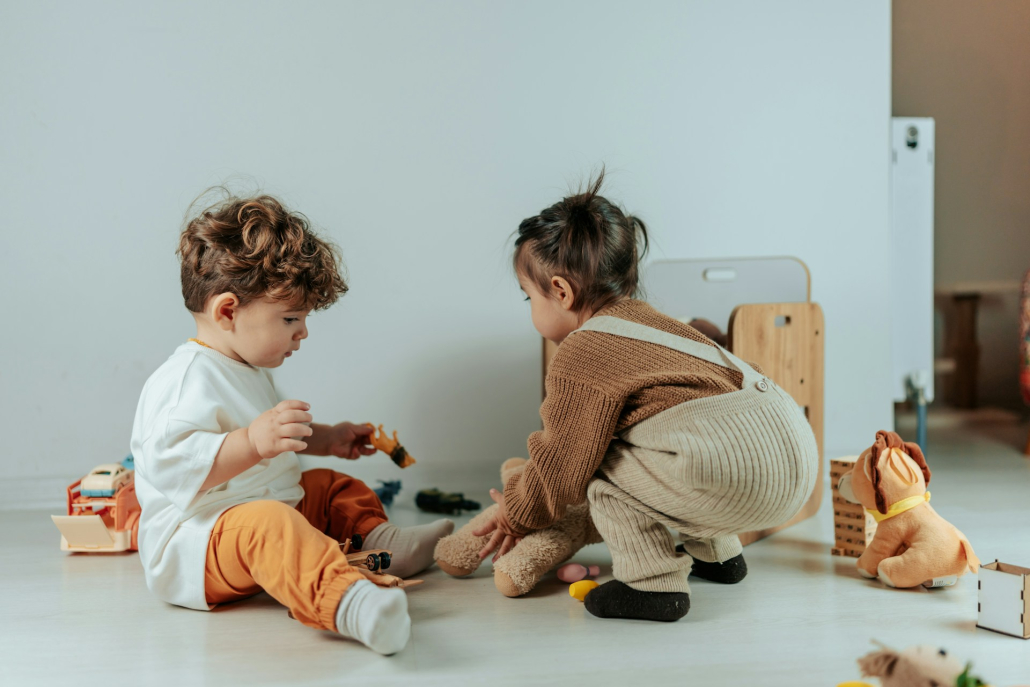
Helping Children Understand and Express Feelings
Helping children understand what they feel and giving them the tools to talk about their emotions isn’t always easy. Feelings can be big, messy, and confusing, especially when you’re three and your vocabulary doesn’t match the size of your emotions. For many families across Springfield who juggle shift work, tight routines, and stretched mornings, emotional meltdowns can kick off before breakfast. And when your child can’t explain what’s going on inside, that stress carries into the rest of the day.
Supporting your child to express how they feel in safe, clear ways can do a lot more than prevent a few tantrums. It builds stronger confidence, better relationships, and sets the groundwork for genuine school readiness. Whether your child is loud and passionate or quiet and sensitive, helping them recognise, name, and show how they feel makes a big difference to home life, drop-offs, bedtime and more. Here are a few ways families can encourage this growth from the early years.
Naming and Recognising Emotions
One of the first steps to helping your child manage emotions is teaching them the names for what they feel. Anger, sadness, excitement, worry – these are big feelings for little bodies, and children need language to make sense of them. Knowing the right words lets your child link physical sensations, like a tight chest or shaky hands, with a feeling. This awareness gives them the power to tell you what they need instead of acting out.
Try including emotion words during everyday play and conversation. When you see your child frustrated with a toy, you might say, “It looks like you’re feeling angry because the tower keeps falling down.” Naming the feeling without judgement helps your child feel seen and supported.
Here are a few hands-on ways to explore feelings together:
- Use emotion cards or books to show different facial expressions and talk about what they might be feeling.
- Look in a mirror together and make faces, happy, sad, surprised, and ask your child to guess which emotion it is.
- Create a simple emotions chart with magnets or drawings your child can move each day to show how they’re feeling.
It’s normal for children to mix things up or get overwhelmed. What matters is building that habit of noticing and labelling emotions in an honest, gentle way.
Creating a Safe Space for Expression
Children are more likely to express how they feel when they know it’s safe to do so. If they worry about getting in trouble, being laughed at, or ignored, they’ll often bottle things up or let them out in tricky ways, such as biting, hitting, or shutting down. Building an environment where they know they can talk or cry or ask for help without shame is so important.
That starts with showing your child that all feelings, even the tough ones, are okay. You don’t have to fix everything immediately. Often, just listening and naming what’s going on is enough to help calm the storm. For example, if your child is upset after a rough playdate, you could say, “That seemed like a hard day. Did something make you feel left out?”
To create emotional safety at home:
- Show empathy first, solutions second. Let your child know it’s okay to feel “not okay.”
- Stick with calm tones, even when emotions are high. Yelling doesn’t teach calm.
- Keep routines steady where possible. Predictable mealtimes and bedtimes help emotional stability.
Emotional safety isn’t about always being gentle or soft; it’s about being consistent, clear, and ready to listen. If your child knows they’re safe to share their feelings, even the messy ones, they’re more likely to speak up instead of acting out.
This kind of support builds emotional strength that lasts into childcare, school, and friendships. In Springfield, where families often deal with changing rosters and tight schedules, that sense of safety and security makes a world of difference. When your child has a steady emotional base, it helps anchor them, even in a busy world.
Teaching Healthy Ways to Express Feelings
Once children start recognising emotions, they need support finding respectful, safe ways to express them. Big feelings like anger or frustration can lead to shouting or throwing when a child doesn’t know what else to do. Guiding them towards healthy outlets makes it easier for them to calm down and feel heard.
Art and movement are helpful tools. Drawing, painting, or shaping playdough lets children get energy and emotions out without needing exact words. Moving their bodies, jumping, running, dancing, takes restlessness or anger and channels it into motion.
You can also model how to talk things through. If your child is upset because someone didn’t share, you could say, “That made you feel left out, didn’t it? You really wanted a turn too.” This shows your child that it’s okay to say how they feel without hurting someone else. Keep phrases simple and use them often.
Try adding these ideas at home:
- Provide safe, open-ended materials like crayons or blocks for children to explore feelings through play.
- Invite your child to “draw their day” before bed, helping them reflect on emotions they felt.
- Read books about feelings and ask, “Have you ever felt like that?”
- Set up a calm corner with cushions, soft lighting, and a favourite toy for when emotions get too big.
- Do daily “check-ins” after tough days, helping your child practise describing their feelings.
Children need extra support when they’re tired or overstimulated. That’s normal. The main goal is to keep creating space for healthy emotional expression every single day.
Role-Playing and Storytelling
Imaginative play is how many children learn best. Storytelling and role-play draw on that imagination and turn it into learning tools for emotional development. Pretending to be a sleepy dragon or acting out a friendship squabble helps children explore feelings from a safer distance.
You might create simple pretend situations during play, like someone breaking a favourite toy or forgetting to share. Ask your child how the puppet or character feels. Let them come up with ideas for what happens next. This builds confidence for dealing with emotions in real life.
Role-playing can work especially well for quieter children who may keep their feelings to themselves. When a child tells a made-up story, their themes often match what’s happening in their real life, even if the characters are dinosaurs or astronauts.
Here are some easy role-play and storytelling ideas:
- Use puppets or soft toys to show social situations like sharing, waiting, or making amends.
- Make up stories where your child is the hero learning to manage big feelings.
- Re-tell moments from their day using toys or dolls, giving space to reflect on reactions.
- Ask, “What do you think Teddy felt when he lost his hat?” during pretend play.
When children use play to understand emotional responses, they start making better choices, and it’s all led by their own creative thinking.
Beyond Words: Using Non-Verbal Communication
Not all children can express what they feel through words, especially younger kids or those still developing confidence in speech. That’s why non-verbal communication, body language, facial expressions, posture, can give you key insights.
A child who clenches their fists might feel angry. One who hugs you tightly could be seeking comfort. Tuning into these cues helps your child feel seen, even without them speaking. Gently narrating what you observe, like “You’re holding your arms tightly… are you feeling unsure?” helps them connect physical reactions with feelings.
You can also teach non-verbal expression through playful games:
1. Mirror game: Face your child and copy each other’s facial expressions or movements.
2. Emotion charades: Act out a feeling like excited or sleepy without speaking and guess the emotion.
3. Playdough or drawing: Create faces that show certain moods or reactions.
4. Feelings yoga: Use breath and body movement to explore physical expressions of emotions.
Touch also matters. A hug, a gentle pat, or even giving space can comfort children. When words fail, gestures can offer connection and reassurance until they’re ready to talk.
These small moments of attention build up your child’s confidence and emotional fluency, one message at a time.
Secure and Confident Starts with Eskay Kids’ Early Childhood Program
Emotional awareness and expression grow slowly but surely. Some days will be tearful, others full of laughter, and many will be a mix of both. Through simple conversations, open-ended play, or quiet cuddles, children learn to show up as their full selves and trust that it’s okay to feel exactly what they feel.
Setting that foundation early gives them the skills to regulate emotions, connect with others, and approach new environments, like school, with confidence. At Eskay Kids, we’ve seen how play-based experiences can foster this growth naturally and joyfully.
In Springfield, where many families are adapting to flexible work hours, early drop-offs, and changing routines, building that emotional base matters more than ever. Our early childhood program focuses on supporting emotional growth from day one, helping children build resilience, form friendships, and feel secure in any setting. When children know how to express themselves clearly and kindly, they thrive in every part of life.
As parents, we understand the importance of finding a nurturing and supportive environment for your little one to flourish emotionally and socially. At Eskay Kids, our early childhood program is crafted to provide that warm, secure space where children can thrive through engaging, play-based learning experiences. If you’re looking to support your child’s natural development and school readiness while fitting your busy lifestyle, explore how we can help create those confident, joy-filled moments for your family.