The Role of Play in Building Resilience
Building resilience in children is one of the most effective ways to prepare them for life’s challenges. Resilience, the ability to bounce back from setbacks and adapt well to adversity, is a skill that can empower kids to tackle difficulties with confidence. In early childhood, establishing a strong foundation of resilience can contribute significantly to their growth and success.
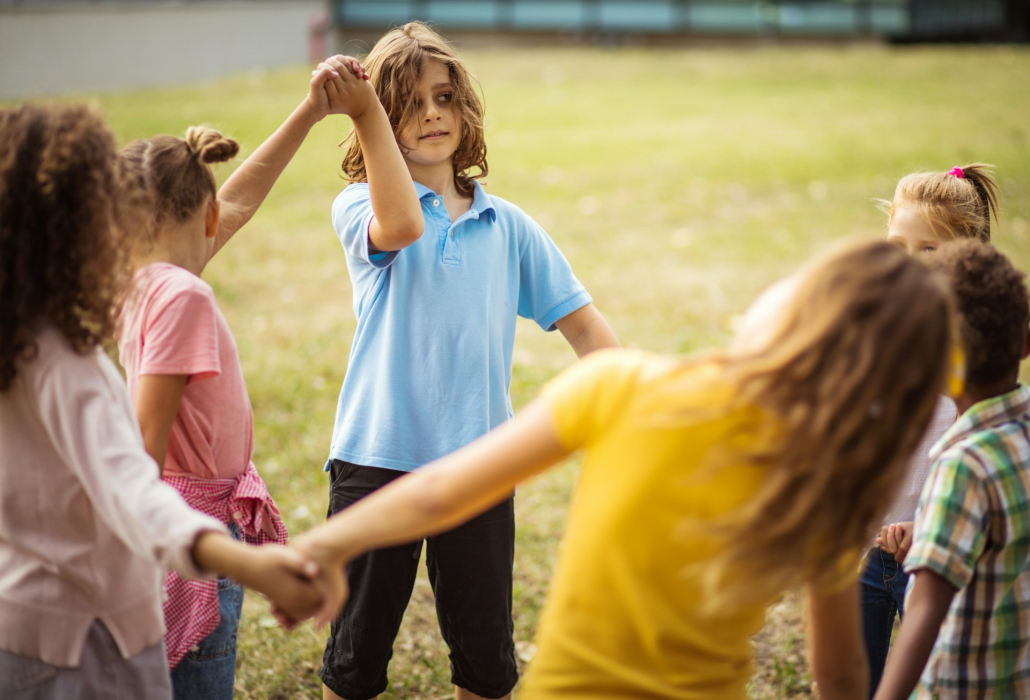
Play plays a crucial role in strengthening resilience in children. During playtime, kids naturally learn to solve problems, express emotions, and engage with their peers. Whether it’s structured activities or free play, these experiences help children develop resilience by allowing them to explore, experiment, and learn from their mistakes in a supportive environment.
Why Resilience Matters in Early Childhood
Resilience is a cornerstone for mental well-being, especially during early childhood. It allows children to handle complexities with courage and positivity. Here are some benefits of fostering resilience early on:
1. Emotional Well-being: Resilient children tend to handle emotions better. They develop coping strategies to manage stress and anxiety, leading to improved emotional health.
2. Adaptability: Children who are resilient can adjust to new situations and environments. This helps them adapt when they transition from home to school or face changes in their daily routines.
3. Problem-solving Confidence: Resilient kids are more likely to tackle problems head-on. They learn to think critically, which boosts their confidence in overcoming challenges.
Examples of resilience are seen when children display persistence in learning a new task despite initial failures or when they show patience while handling frustrations with their peers. Encouraging resilience not only supports their immediate well-being but sets the stage for a lifetime of positive coping skills.
The Connection Between Play and Resilience
Playtime is more than just fun; it’s a critical component of developing resilience. Through play, kids encounter a variety of scenarios that encourage them to think creatively and solve problems.
– Problem-solving and Critical Thinking: Games and activities that challenge children promote critical thinking. Building a tower with blocks or figuring out how to navigate an obstacle course teaches them to strategise and solve problems effectively.
– Structured and Unstructured Play: Both types of play contribute to resilience in different ways. Structured play, such as team sports or organised games, teaches kids how to follow rules and work cooperatively with others. Unstructured play, like free drawing or outdoor exploration, encourages creativity and decision-making as children set their own goals and decide how to achieve them.
– Imaginative Play: Engaging in imaginary scenarios allows children to process emotions and develop empathy. Whether pretending to be superheroes saving the world or caring for dolls, imaginative play helps them work through feelings and understand different perspectives.
By integrating varied play experiences, early childhood programs can effectively nurture resilience. As children play, they gain the tools and confidence needed to face obstacles, ultimately preparing them for real-world challenges.
Implementing Play-Based Learning in Early Childhood Programs
Incorporating play-based learning within early childhood education can significantly bolster resilience. By designing activities that challenge children to think independently, educators create environments where resilience naturally flourishes. For example, group projects that involve building something from common materials give children the opportunity to collaborate, share ideas, and face obstacles together, all while developing resilience.
Educators play a pivotal role in this process. They craft activities that not only engage children but also subtly teach perseverance. They encourage kids to ask questions, make decisions, and learn through trial and error. This approach helps children understand that mistakes are not failures, but opportunities to grow and learn. The strategies educators employ are specific to each child’s needs, fostering both individual growth and a strong, supportive learning community.
The focus on resilience through play is embedded in many early childhood programs, which often devise curricula that integrate fun with critical life skills. This kind of curriculum builds a foundation that prepares children to handle future challenges with confidence and grit.
Encouraging Resilience at Home
Parents can reinforce resilience by promoting play as a key part of daily life at home. Here are some practical ways to incorporate this approach:
1. Create Playful Challenges: Set up simple obstacle courses in the garden, or challenge kids to build the tallest tower with blocks. These activities enhance problem-solving skills and adaptability.
2. Encourage Imaginative Play: Provide costumes or storytelling prompts to stimulate imaginative play. These activities help children process emotions and develop empathy.
3. Be Supportive: When children face setbacks during play, encourage them to try again. Praise their efforts and perseverance rather than the end result.
A supportive home environment complements the resilience-building efforts at educational centres. By maintaining a focus on play that fosters resilience, both parents and educators can ensure stable and strong emotional development in children.
Building a Resilient Future
As we reflect on the immense benefits of play in nurturing resilience, it becomes clear that these skills are indispensable throughout life. Integrating play in education lays the groundwork for children to become adaptable and optimistic adults. Resilient individuals are better equipped to handle stress and uncertainty, making them more likely to succeed in various aspects of life.
Nurturing resilience through play-based approaches should be a fundamental part of early education. By encouraging these qualities from a young age, we equip children with the tools they will need to make confident decisions and face life’s challenges with courage.
The transformative nature of play, when effectively encouraged, offers unparalleled opportunities for growth. As parents and educators, our role is to create environments where play is seen as both enjoyable and educational, ensuring that every child benefits from its profound impact on resilience and personal development. Encouraging playful learning experiences not only enriches childhood but also builds a resilient and hopeful future.
If you’re looking to help your child grow through meaningful play experiences, exploring an early childhood program that encourages confidence and resilience may be the next step. At Eskay Kids, we focus on creating playful learning environments that support every child’s emotional and social development.