How to Encourage Language Development in Toddlers
Language development is a vital aspect of a toddler’s early years, shaping how they communicate and understand the world. Encouraging language development involves more than merely teaching them words; it’s about creating an environment where communication thrives. Parents and caregivers play a key role in fostering this growth, laying down the foundation for lifelong skills.
Engaging activities that promote language skills offer toddlers endless opportunities to express themselves and explore the art of conversation. By incorporating fun and interactive practices into daily routines, we can inspire young minds to embrace language and communication as natural extensions of their growth. Let’s discover some of the ways to create a conducive environment for language learning in toddlers.
Creating a Language-Rich Environment
A stimulating environment is essential for encouraging language development in toddlers. Surrounding young children with rich language interactions helps them acquire the skills they need to communicate effectively. This means integrating language into everyday activities in fun and accessible ways that toddlers can easily relate to.
– Labelled Spaces: Clearly label common items around the home and daycare. This can include doors, windows, toys, and various household items. Labelling helps toddlers associate words with objects and understand their surroundings better.
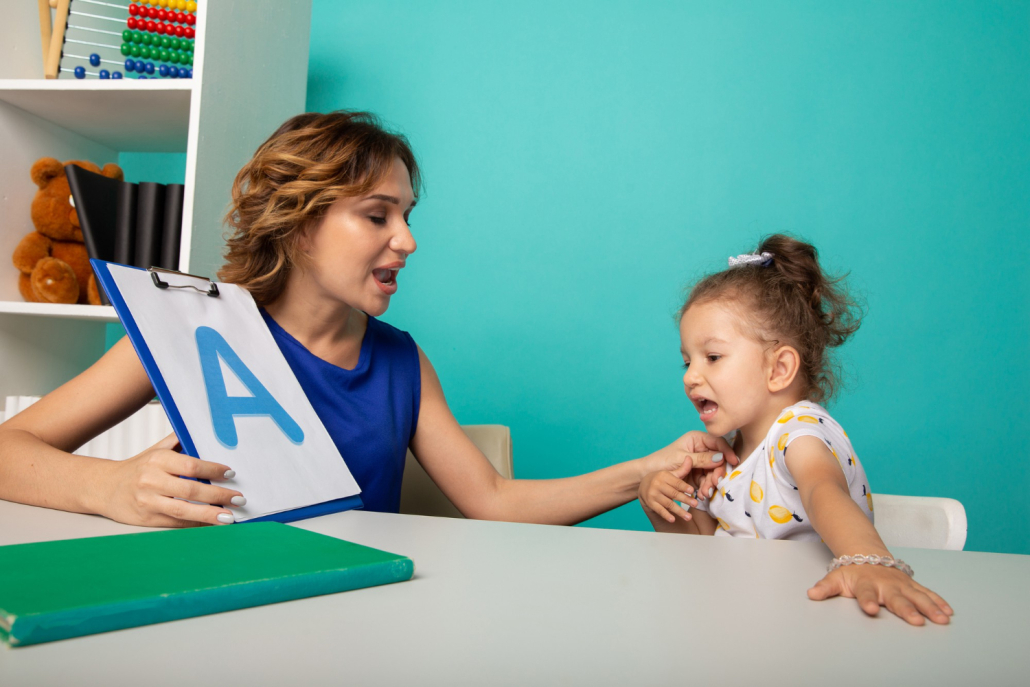
– Colourful Posters and Charts: Use posters and charts displaying alphabets, numbers, and simple words. Keep them at eye level so toddlers can easily view them and become familiar with new words daily.
– Interactive Story Time: Spend time reading aloud and engaging toddlers with storytelling sessions. Choose books that feature repetitive language patterns or nursery rhymes. Encourage toddlers to participate by imitating sounds or pointing at pictures.
– Talk About Your Day: Engage your toddler in conversations about daily activities. Describe what you’re doing, such as cooking, cleaning, or gardening. Use a mix of descriptive words to broaden their vocabulary naturally throughout the day.
A rich language environment balances structured activities with spontaneous moments, encouraging toddlers to explore language in fun and meaningful ways. Through consistent exposure, toddlers gain the confidence to express themselves in various situations as they continue to learn and grow.
Interactive Reading Sessions
Reading aloud to toddlers sets the stage for a lifetime love of reading and enhances language skills. Sessions should be interactive and engaging, allowing toddlers to actively participate rather than just listen. Start with books that feature bright pictures and rhythmic sentences, which captivate their attention and make the experience memorable.
During story time, pause to ask questions about the story or illustrations. Simple questions like “What do you see on this page?” or “What do you think happens next?” encourage toddlers to think and respond. Encourage them to turn the pages and imitate sounds or act out parts of the story. This kind of involvement helps them connect with the material and strengthens their comprehension skills.
Another tip is to incorporate props like puppets or toys related to the story. These can be fun tools to bring stories to life and make the session interactive. With these methods, reading time becomes a cherished activity that significantly boosts language development.
Encouraging Conversations
Conversations are a powerful way for toddlers to learn language skills. Engaging them in regular talks helps build their vocabulary and comprehension, creating a foundation for effective communication. Parents and caregivers can make these conversations enriching by incorporating creativity and patience.
Start with simple daily chats about routine activities. During mealtime, discuss what foods you are eating, mentioning their colours, textures, and flavours. Use this opportunity to introduce new words and express thoughts, encouraging your toddler to share their ideas too.
Here are some ideas to enhance conversations:
1. Open-Ended Questions: Ask questions that can’t be answered with a simple “yes” or “no.” For example, “What did you like playing with today?”
2. Share Your Thoughts: Talk about your day and feelings, setting a model for sharing thoughts and emotions.
3. Listen Actively: Show enthusiasm for their responses to encourage further dialogue, and make them feel heard by their caregivers.
These practices not only improve language skills but foster social connections, preparing toddlers for interactions in broader settings.
Fun Language Games and Activities
Games offer a playful yet educational approach to language development. They stimulate interest and imagination while teaching new vocabulary and concepts. Choosing games that align with toddlers’ interests makes learning feel like a natural part of playtime.
Begin with simple word games such as “I Spy” using common household items. This improves their vocabulary and helps with object recognition. Singing nursery rhymes and action songs are another enjoyable way to introduce rhythm, rhyme, and new words.
Setting up pretend play scenarios can also boost language skills. A simple play kitchen or shop allows toddlers to mimic adult scenarios, enhancing both vocabulary and social skills. Story dice can be an exciting game too, enabling them to craft their own stories based on the images they roll, which encourages creativity and coherence in storytelling.
Languages games show that learning doesn’t need to be structured or boring. Through games, toddlers grasp the beauty of language organically and joyfully.
Consistency and Patience in Language Learning
It is important to remain consistent and patient while developing language skills in toddlers. Each child progresses at their pace, and giving them time to practise makes a big difference. Consistent interaction rewards toddlers with gradual but significant improvements in their speech and comprehension.
Incorporate language activities into your daily routine. Repeating songs, rhymes, and reading sessions every day helps toddlers remember and use new words. Be patient when they struggle with a word or sentence, offering gentle encouragement and correction. Celebrate small victories to motivate them to keep trying.
A positive, supportive environment builds confidence and eagerness to learn. As toddlers continue with regular practice, you’ll notice how their language abilities blossom in time. By understanding the process and nurturing their interest, you can help lay down strong language foundations for their future.
If you’re looking for a nurturing space where your child can grow in confidence and communication, consider how an early childhood learning centre can support their journey. At Eskay Kids, we offer a play-based approach that encourages natural language development for families in Springfield and Mayfield.