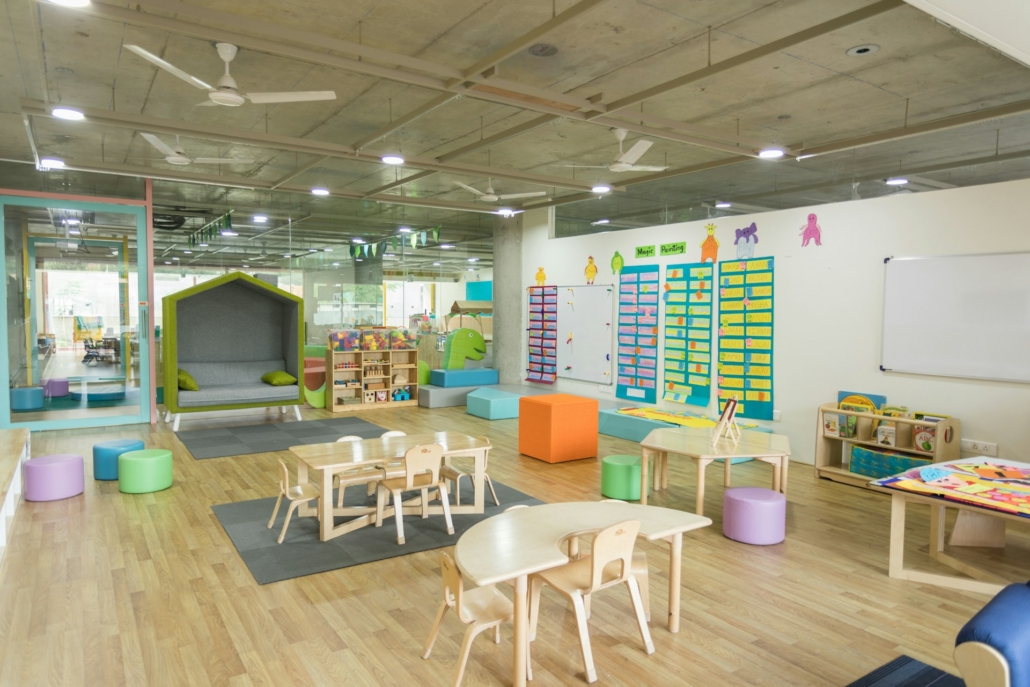
Rethinking School Readiness at a Government-Approved Kindergarten
Why School Readiness Needs a Fresh Perspective
School readiness is about much more than whether a child can write their name or count to ten. When children walk into Prep for the first time, what really matters is how they feel about themselves, about learning and about being in a group with others. Many children who can already recognise letters still feel worried about speaking up, trying new things or being away from family.
Australian early years frameworks, like the Early Years Learning Framework and the Queensland Kindergarten Learning Guideline, remind us that school readiness is broad. They talk about a strong sense of identity, connection, wellbeing, learning and communication. In simple terms, that means things like belonging, resilience, independence and curiosity sit right alongside early literacy and numeracy.
At our government-approved kindergarten in Karana Downs, we hold on tightly to this bigger picture. Our nature-based program is built around what we call an authentic childhood: time to play, explore, make friends and make mistakes. We see Prep not as the end goal of kindergarten, but as one step in a long, rich life of learning.
What School Readiness Really Means Today
When we talk with families about being ready for school, we usually come back to four key pillars. These sit underneath all the practical skills children need for Prep.
- Social and emotional skills, like sharing, taking turns, managing big feelings and building friendships
- Physical development, including balance, strength, coordination and self-care skills
- Language and communication, such as listening, storytelling and asking questions
- A positive disposition for learning, which is a fancy way of saying they enjoy learning and keep trying
There are a few stubborn myths around school readiness that can make parents feel pressured. Some common ones include:
- Believing children must be reading before Prep
- Thinking workbooks, worksheets and early homework are the best way to prepare
- Worrying that if a child is not ahead of peers, they will always be behind
Pushing formal academics too early can actually backfire. Children may feel stressed, lose confidence or start to think learning is something you either get right or wrong, instead of a playful process. When the focus swings too hard to checklists, there is less space for the social and emotional practice that Prep teachers value so highly.
In a government-approved kindergarten in Karana Downs, readiness shows up in everyday routines. It is:
- Waiting for a turn on the swing and working out what to do while you wait
- Helping to pack away blocks before moving to lunch
- Serving yourself food, pouring your own drink and tidying your plate
- Listening to others in a group chat and adding your own ideas
These simple moments add up to confidence and capability that children carry into their first year of school.
How Nature-Based Play Builds Confident Learners
Nature-based play is one of the strongest ways we see those four pillars grow. When children have access to large outdoor spaces, they naturally test ideas, take reasonable risks and stay with problems for longer.
In our kindergartens, you might see children:
- Mixing water and dirt in a mud kitchen to test out different textures
- Building shelters with branches and fabrics, negotiating with others about the design
- Using sticks, stones and leaves as pretend money, phones or food in their own stories
These kinds of open-ended materials invite problem-solving and creativity. There is no single right answer, which means children can try, change, rebuild and try again. That habit of persistence is one of the strongest predictors of how calmly they approach new learning in Prep.
Risk-taking in play is also important. Climbing, balancing on logs, walking along uneven ground and judging how fast to run are all chances to:
- Strengthen big and small muscles
- Develop body awareness and coordination
- Build self-trust by learning what feels safe and what feels too much
When children know their own bodies well, they sit more comfortably at a desk, handle pencils with ease and move around a busy classroom with confidence. They are also more able to regulate their energy, shifting from active play to quieter listening.
Around mid-year, when the weather in Karana Downs is cooler, we often see children settling into longer, more focused play outdoors. They notice seasonal changes in the trees, watch clouds, check on insects and birds and talk about what they see. Those winter nature moments spark rich conversations and questions that link directly to early science and language learning.
Inside a Government-Approved Kindergarten Day
A calm, predictable day helps children feel secure, which is a big part of Prep readiness. At our kindergartens, a typical day might flow like this:
Children arrive to unhurried hellos, put away their bags and choose where to start their play. Educators are nearby, greeting families, supporting goodbyes and helping children settle into their chosen spaces. There is time to reconnect with friends and revisit ongoing projects.
Through the morning, the program is shaped by child-led investigations. Children may explore:
- Loose parts construction indoors
- Art experiences using natural materials
- Sensory play with water, sand or clay
- Small group games that build turn-taking and memory
Group gatherings happen in short, meaningful bursts. Educators might sing, read stories, reflect on the morning or plan what the group wants to explore outdoors. Mealtimes are slow and social, with a focus on self-help: opening containers, trying new foods, chatting with peers.
Long blocks of uninterrupted outdoor play are central. In those hours, educators gently weave literacy, numeracy and science into play. That might look like:
- Counting gum nuts into buckets or lining them up from smallest to largest
- Mapping a garden bed with simple drawings and symbols
- Recording observations about weather, animal tracks or plant growth
Qualified early childhood teachers have a key role in all of this. They are constantly planning from the Queensland curriculum expectations, documenting learning and preparing Prep transition statements. Instead of pulling children away for drills, they notice the learning inside play and extend it in thoughtful ways.
Partnering With Families on the Prep Journey
We know families carry deep knowledge of their children. When educators and families work together, we get a clearer picture of each child’s strengths, interests and needs. This partnership usually grows through:
- Everyday chats at drop-off and pick-up
- Photos and learning stories that show what children are doing
- Portfolios that track progress over time
If you are wondering, “Is my child ready for Prep?”, it can help to look beyond letters and numbers. Some useful signs include:
- Managing emotions with a little support, instead of melting down over every change
- Following simple routines and instructions
- Making and keeping friends, even with small conflicts along the way
- Caring for belongings like a bag, hat and lunchbox
- Asking for help from adults when something is hard
At our government-approved kindergarten in Karana Downs, we also support transitions to local schools in practical ways. This may include talking with children about what school looks like, using shared language around routines and helping them practise things like carrying a bag or eating from a lunchbox. Above all, we want children to see themselves as capable, valued learners who have something important to bring to their new classroom.
Taking the Next Step Towards a Calm Prep Start
When families focus on nurturing confident, curious and connected children, Prep usually unfolds more smoothly. Early reading and counting will come, especially when children already feel safe to try, to ask questions and to keep going when something feels tricky.
If you live near Karana Downs and you are starting to think about Prep, spending time in a quality kindergarten environment can be reassuring. Watching children move through a calm, play-led day, talking with educators about the frameworks we follow and seeing how nature-based learning works in real life often brings clarity about what readiness really looks like for your child.
Give Your Child A Confident Start To Kindergarten
Choosing the right early learning environment sets your child up for a smooth transition to school, and at Eskay Kids we are here to guide you through every step. Explore how our government-approved kindergarten in Karana Downs supports children’s curiosity, resilience and love of learning. If you are ready to talk through your child’s needs or arrange a visit, please contact us and we will happily help you get started.