Nature Play Childcare Near Ipswich QLD: Questions Parents Forget to Ask
Nature Play Childcare Near Ipswich QLD: Key Parent Questions
Choosing nature play childcare near Ipswich, QLD is about much more than opening hours and parking. Those details matter, but they do not tell you what your child’s day will actually feel like, or how their heart and mind will be cared for.
When families visit centres, they often ask about nappies, meals and fees, then walk away still unsure about the big things: real outdoor play, educator relationships and how their child’s feelings will be handled. The deeper questions are the ones that show you how a service thinks about children, learning and community. Our team at Eskay Kids has seen how powerful these questions can be, and we love when families want to look beyond glossy photos and see what daily life is really like, in every season of the year.
Discover the Questions Most Parents Never Think to Ask
Many parents feel pressure to choose quickly, especially when places are limited. It is easy to stick to the surface questions and assume all centres are similar. But two places with the same hours can feel completely different once you step into the yard or listen to the way educators speak with children.
Some helpful, deeper questions include:
- What does a calm, happy day look like here for a child my child’s age?
- How do you want children to feel when they go home each afternoon?
- How do educators stay connected with families about the small moments, not just the big events?
When you ask these kinds of questions, you start to see the centre’s philosophy in action. You hear how they think about relationships, play, rhythm and rest. For a nature-based service like ours, this also includes what outdoor time looks like across the year, including those milder Queensland winter mornings where children can still be outside, exploring and playing.
How Much Real Nature Will My Child Experience Daily?
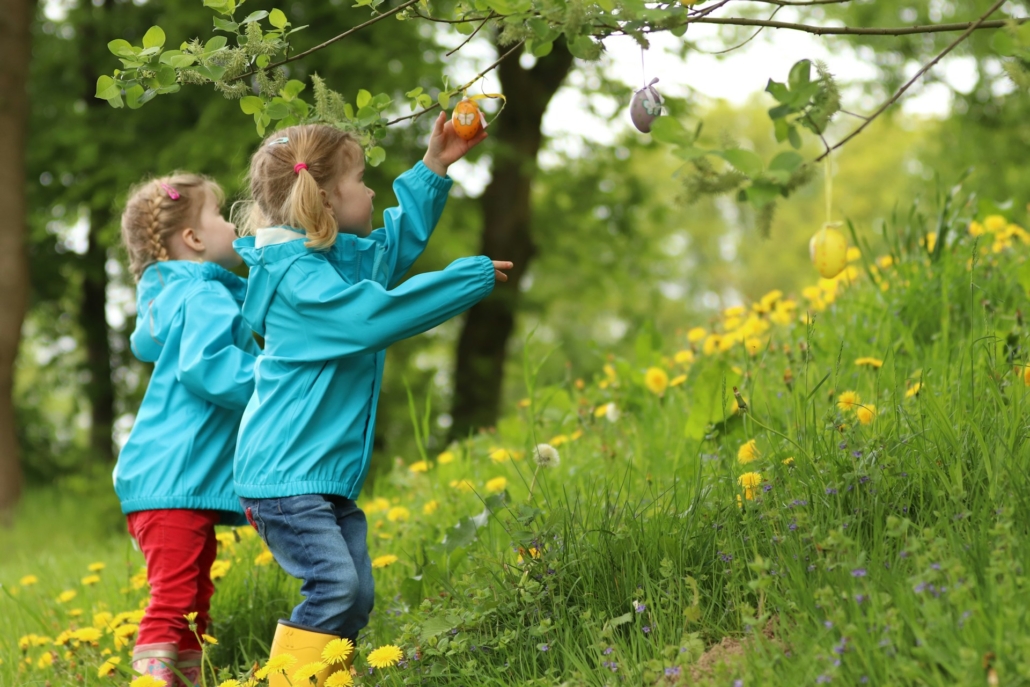
“Outdoor play” can sometimes mean a small space with plastic toys on fake turf. Nature play is different. It is about dirt under fingernails, the sound of leaves, the feeling of a stick in your hand, and the choice to sit quietly or run hard.
When you are visiting, you might ask:
- What natural materials are children free to use each day? (mud, sand, water, sticks, stones)
- How many hours do children usually spend outdoors, and how flexible is this?
- How do you respond to different weather, like light rain, humid afternoons or cooler mornings?
Real nature play childcare near Ipswich, QLD should give children space to:
- Climb, balance and take thoughtful risks
- Dig, plant, harvest and notice seasonal changes in the garden
- Find quiet corners with trees, logs or long grass for small-group play
It can help to ask how the environment changes across the year. Do children help plant herbs or vegetables? Are there simple seasonal rituals or projects that help them notice changes in light, plants and animal life around them?
What Does Play-led Learning Really Look Like Here?
Most centres will say they have a kindergarten program. The real question is how that program looks and feels for a child who loves to move, build and explore outside.
Useful questions to ask might be:
- How much of the day is child-led play compared to adult-led group times?
- How long can children stay with one idea or project if they are deeply interested?
- How do educators support early literacy and numeracy through play, especially outdoors?
In a strong play-led program, learning shows up in moments like:
- Drawing maps in the dirt and using symbols to plan a cubby
- Counting out cups for friends at the mud kitchen
- Talking through problems in a game and finding fair solutions
You can also ask for a recent example: a project that started with children’s curiosity, like a bug they found in the garden or a favourite climbing tree. How did educators extend it? Did it flow into stories, art, measuring, building or shared research? This gives you a clear picture of how they respect children’s ideas and strengths.
How Are Big Feelings and Risky Play Supported?
Big bodies and big feelings often come together. Nature play brings climbing, rough-and-tumble games and real tools, and these can worry some adults. The question is not “Do you allow risk?” but “How do you guide it?”
You might ask:
- What happens when a child wants to climb higher or use a tool like a hammer?
- What language do educators use around risk? Do they say “Be careful” or ask “What is your plan?”
- How do you help children with conflict, frustration or separation at arrival time?
Look for services that:
- Stay close and alert outdoors without stopping children at every turn
- Talk with children about their bodies, limits and choices
- See tears and anger as messages to understand, not behaviours to shut down
It can also help to ask how families are included in decisions about what their child is ready for. Do educators check in with you before your child joins higher-risk experiences, or if they notice new worries or brave moments?
How Will Our Family, Culture and Older Children Be Supported?
When a family joins a centre, everyone, not just the child, is starting something new. Feeling welcome is about daily respect, not just a friendly smile at the front desk.
Some strong questions for this are:
- How do you help children and parents settle in during the first few weeks?
- How do you honour children’s cultures, languages and traditions in everyday practice?
- How are Aboriginal and Torres Strait Islander perspectives included in the program?
You can also ask how families are invited into the life of the centre over time. Are there:
- Seasonal gatherings in the garden
- Chances to share music, stories, recipes or skills
- Yarning circles or informal chats where families and educators talk about children’s experiences
For families with children aged 3 to 5, it is also worth asking what older children gain from a nature-based, government-approved kindergarten program. School readiness is much more than writing their name. Helpful questions include:
- How do you support independence, like caring for belongings, toileting and getting ready for group times?
- How do you grow resilience, problem-solving and group cooperation outdoors?
- What does the transition to school look like, and do you have relationships with local schools?
Look for examples like children practising lunchbox routines on picnic mats, or helping younger friends, or organising their own group games. These are the skills that help them step into prep with confidence while still feeling like children, not mini-adults.
Visit with Intent and Trust Your Instincts
Once you have your questions ready, the next step is to visit with clear intent. Instead of only scanning the walls for pretty displays, tune in to the atmosphere.
During a visit, notice:
- Do you hear rich, happy play noises, not just adult voices giving directions?
- Do educators crouch to children’s level and speak with warmth and patience?
- Do children look relaxed, curious and comfortable moving between spaces?
If you can, visit at different times of day. Early morning, mid-morning and late afternoon can all look quite different. Watch how educators support transitions, like coming together for meals or moving indoors. Look at the outdoor spaces to see if they invite digging, climbing, resting, making and wondering.
At Eskay Kids, our nature-based, relationship-focused approach is built for families who care about these deeper questions. When you visit, bring your list, notice how you feel in the space and trust that your instincts, combined with thoughtful questions, will guide you to the right nature play childcare near Ipswich, QLD where your child can thrive in community, all year round.
Give Your Child The Benefits Of Nature-Focused Early Learning
If you are looking for a nurturing, play-rich environment, explore our nature play childcare near Ipswich, QLD and see how Eskay Kids supports children to grow with confidence and curiosity. We create spaces where children can follow their interests, build resilience and connect deeply with the natural world every day. To talk through your child’s needs or arrange a visit, simply contact us and we will be happy to help.