How to Tell If a Preschool Day Is Really Supporting Learning
Choosing a preschool can feel like one of the biggest decisions we make as parents. Between juggling rotating shifts, budgeting around CCS, and just wanting to find a good fit, it’s a choice that carries weight. We want care that feels warm and real, not rushed or rigid. Most importantly, we want to know our child is learning in ways that feel natural and joyful. At Eskay Kids, our play-based, nature-rich early childhood programmes, guided by the Early Years Learning Framework, are offered across our centres in Capalaba, Springfield, Karana Downs, and Wanora to support this kind of learning every day.
Not every preschool day supports learning, even if at first glance it looks that way. Artwork on the wall does not always show how children got there, and a big focus on academic prep can sometimes miss what kids really need. How do you know if your child is truly being supported during their day? Here are a few signs that can make things clearer and help you feel more at ease during drop-off and pickup.
Encouraging Independence in Young Children
One of the strongest signs a preschool is supporting learning is how it approaches independence. Children who are encouraged to try things for themselves build confidence, which later supports everything from literacy to friendships. It is not about rushing kids to do it all but letting them try at their own pace.
Some of the daily moments where independence shows up include:
- Children serving themselves at snack time or lunch, even if it gets a bit messy
- Spaces where kids can choose between reading, blocks, or outdoor play without being told where to go
- Gentle nudges rather than stepping in right away, giving them time to figure things out
When a child feels capable, they are more likely to keep exploring. That is the kind of learning that sticks.
How to Recognise and Support Gifted Children
It is common for some children to show early signs of advanced thinking, whether through constant questions, focused attention on one topic, or experimenting in creative ways. Being gifted does not always mean a child needs more worksheets or a faster pace.
What really helps these children is:
- Flexible routines that let them go deep into what interests them
- Open-ended resources like loose parts, art materials, or natural elements
- Educators who notice and respond gently, without over-labelling or pushing too hard
Real support in a preschool day means allowing thinkers and explorers to flourish, even when their style or pace stands out.
Promoting Positive Behaviour in Daycare
Calm, grounded behaviour does not come from reward charts or strict routines. It grows out of relationships, rhythm, and how safe a child feels in the room.
Look for signs like:
- Educators using simple, clear language to show what is expected
- A flow to the day that avoids rush or chaos
- Time and space for children to recover from strong emotions without shame
When children feel emotionally safe, they can focus more, play better with others, and respond to gentle guidance. This kind of atmosphere lays a healthier base for early learning than any set of rules on a wall.
Understanding Early Signs of Learning Difficulties
Every child is different. While some jump into group games or projects, others may need a little more time. That does not always mean something is wrong, but when signs show up, we want educators who notice and respond early.
These signs might look like:
- Pulling back during circle time or group play
- Repeating the same activity or avoiding new tasks
- Trouble following instructions when others seem to manage
Supportive learning days include time for observation. Educators are not rushing from task to task, they are watching, noting, and slowly adjusting how they guide each child. A small change here and a new opportunity there can make a huge difference over time.
Planning Family Activities That Boost Learning
When your child’s daily experiences match what is happening at home, that is when learning has a chance to deepen. Preschool educators who talk with families, share simple observations, and ask about what has been happening at home are building those bridges.
We find this comes through:
- Chats about your weekend worm hunt or a trip to the garden centre
- Follow-ups during the week when a child brings a story or question from home
- Project work that reflects seasonal changes and local routines, not just textbook topics
This partnership helps children feel more understood and gives meaning to what they are learning, inside and outside the preschool walls.
The Role of Grandparents in Childcare
Families run in different directions these days. For many of us, grandparents play a quiet but strong role, helping with pickups, holding calm space, and sometimes covering when rosters do not line up.
A preschool day that includes grandparents might do things like:
- Allowing trusted grandparents to collect children with consistent sign-ins and clear communication
- Sending home the same updates and newsletters they would give to parents
- Welcoming grandparents into special days or shared learning moments
When grandparents are recognised and welcomed, it eases the load on families and helps children feel more supported by every person in their life.
How to Deal with Bullying in Early Childhood
Bullying is not just physical. It can start as little exclusions or bossy dynamics, and these patterns can impact a child’s whole emotional world. What helps is guidance, connection, and modelling.
Supportive centres tend to:
- Model how to include others and take turns through their own actions
- Step in early when behaviour hurts, calmly and clearly
- Teach skills like speaking up, walking away, and repairing relationships
This approach shapes the kind of community that brings kids back each day feeling visible, safe, and ready to learn.
The Benefits of Group Play for Social Development
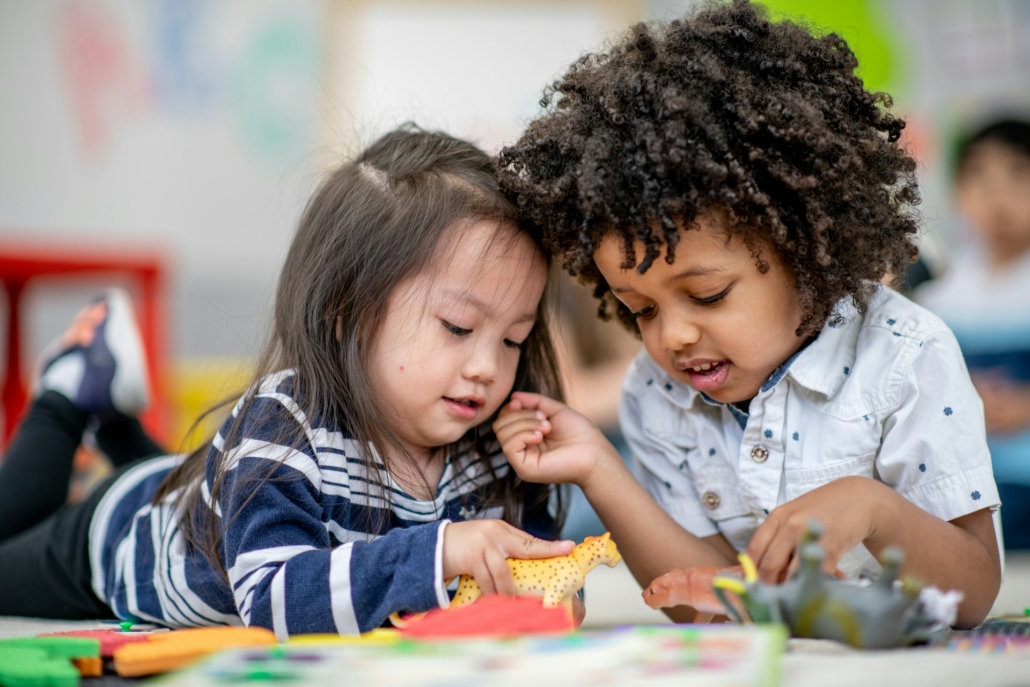
Preschool is a social place by nature. Much of the learning that matters comes through play alongside other children rather than solo tasks.
You will know group play is working when you see:
- Large-scale pretend games where kids assign roles and work things out together
- Building or problem-solving together with blocks, loose parts, or puzzles
- Adults guiding but not directing, letting group efforts take their natural path
Good preschool days allow for both togetherness and retreat. Children need time with peers but also space to step away when things feel too much. That balance helps them thrive and supports emotional regulation alongside social growth.
Tips for a Smooth Holiday Season with Kids
As we near the cooler months and school holidays, daily rhythms can change fast. Children who are used to steady days may get thrown off by different caregivers or altered routines.
Preschools that support learning during holidays tend to:
- Keep a familiar rhythm, even if some friends are away
- Use predictable anchors like morning meetings or shared rest times
- Stay connected with what is happening at home and gently reflect it in the day
This gives children a steady base while still enjoying the fun of the season. Educators who recognise the value of gentle transitions help children re-settle into routines that change temporarily, making those changes smoother for everyone.
Reflecting on Your Child’s Growth This Year
Growth is not measured only by phonics or how many letters a child knows. More telling is whether they can bounce back from tricky moments, take turns in a new game, or start to recognise their feelings and needs.
Supportive centres help you spot things like:
- New friends your child did not talk about before
- More detailed stories told after preschool
- More patience at home during play or transitions
These things matter, and they show learning is happening in ways that support real life, not just classroom prep. Real growth includes not just what kids know but how they interact, share, and feel more secure in themselves.
What Real Support for Learning Looks Like
What helps children learn is not pressure or polish, it is presence. Trust, play, and rhythm matter more than structure that overlooks the child’s cues.
When a preschool day is truly supportive, we see:
- Children choosing freely and being trusted to try things for themselves
- Educators who know each child well, not just as a name on a list
- Space for both togetherness and quiet, questions and calm, mess and magic
When children leave with muddy socks, full words, and calm hearts, we know the learning they are doing is real, and just right for where they are.
At Eskay Kids we provide steady care that builds real confidence without rushing academics or forcing rigid routines. We invite you to experience what a supportive preschool day can look like with plenty of room for muddy feet, quiet thinking, and joyful discoveries as our educators take time to truly know each child rather than simply manage a group. Whether you are balancing rosters or seeking calm evenings, we are here to support your transition. Contact us to discuss your next steps.