Why Nature-Rich Play Boosts School Confidence Over Worksheets
Many families in Queensland feel a growing pressure to make sure their child is ready for Prep. Between early starts, changing shifts, and long to-do lists, the idea of “school readiness” can feel like another item to squeeze into a full day. It’s easy to feel like the answer must be more worksheets, more drills, and more desk time. But most of the real skills children need come from something much simpler, real play that feels like theirs.
Nature-rich play is not just about time outside. It is about making space for children to build confidence by doing real things with their own hands. Early childhood education, when grounded in natural environments, allows children to build self-belief without pressure. They make decisions, solve problems, and develop friendships in their own rhythm. For families juggling rosters, budgets, and competing demands, this gentle but powerful way of learning often leads to smoother mornings and calmer evenings. At Eskay Kids, our nature-rich childcare centres in Capalaba, Springfield, Karana Downs, and Wanora are intentionally designed as open, outdoor environments where genuine, uninterrupted play is the foundation for authentic school readiness.
Encouraging Independence in Young Children
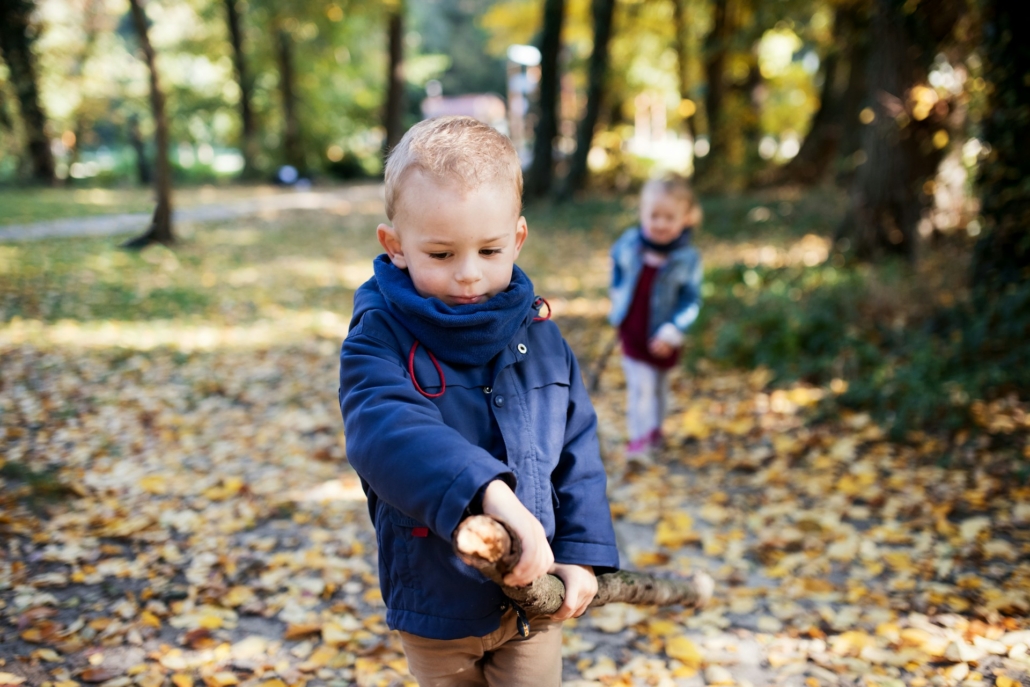
Children do not need perfect instructions to learn independence. They need space to try. In natural spaces, they do just that. Whether it is climbing a fallen log, balancing across stones, or filling a wheelbarrow, these activities give them control over small but meaningful choices.
Here is how nature-rich play encourages independence:
- Children begin to rely on their own judgment, when to go higher, when to hold back
- There is no single outcome, so they learn to adapt, try again, or problem-solve
- Tasks like digging or collecting sticks build focus without needing a set task sheet
At home, this carries over in small but noticeable ways. A child who confidently climbs or leads play in the garden often becomes more willing to dress themselves or tidy up. The lessons are not taught through points and stickers but through trust and gentle encouragement.
How to Recognise and Support Gifted Children
Giftedness does not always show up with top marks or early readers. It can look like deep focus in the middle of painting with mud, or a curious obsession with the patterns of ants on a path. These moments can be missed in fast-paced, formal settings.
Natural spaces often draw out this deep thinking. In early learning settings connected with nature, we often see children:
- Become absorbed in sorting leaves or organising pebbles by shape and pattern
- Ask thoughtful “why” questions that spiral into discovery
- Create complex games or stories around what they find
Rather than label children early, we keep the door wide open. By giving gifted children time and space to chase their ideas without needing to explain them, we support their growth in a way that feels comfortable and natural. The spotlight is gentle, and support comes when curiosity leads the way.
Promoting Positive Behaviour in Daycare
Behaviour is often a mirror of the environment. When spaces are loud, rushed, or confusing, small upsets can grow quickly. But in natural outdoor environments, we see something different. The openness gives children choice and space. The noise softens. The stress lowers.
Instead of reacting when a child acts out, we have more time to notice what came before. In moments of frustration, nature allows them to:
- Step away without being isolated
- Watch others first, then rejoin when they feel ready
- Use physical activity, like digging or water play, to settle their energy
It is not about punishment or reward. It is about helping children feel safe and steady again. Through this, they learn better words, better timing, and how to try again without shame.
Understanding Early Signs of Learning Difficulties
Worksheets can hide learning gaps. A child might copy a friend, stay quiet, or give the answer they think we expect. But outdoor play makes their learning visible in different ways. When a child avoids threading beads or shows frustration with group work, we begin to notice.
These signs often appear during play with:
- Ropes, knots, or other fine-motor tools
- Tasks that need following steps or shared intentions
Because we watch children closely during outdoor routines, not just tasks, we are more likely to pick up on what feels hard for them. There is no rush to fix things. Just gentle noticing and planning the next playful nudge in the right direction.
Planning Family Activities That Boost Learning
You do not need to plan big activities to support learning at home. If your child is into insects, pebbles, or puddles, you already have a direction.
A few ways to quietly add learning into your family rhythm include:
- Letting them collect and sort natural items during a walk
- Measuring water for plants or making repeating leaf patterns
- Asking about what they noticed, not just what they did
This makes learning feel normal and lifelong. It connects daycare with home without requiring apps or kits. Best of all, your child feels proud to teach you what they found out.
The Role of Grandparents in Childcare
Not all grandparents keep pace with new terms or ideas in early childhood. But most of them understand a slow walk, a shady tree, or feeding birds. Nature builds bridges, not just for children, but for their carers too.
Simple ways grandparents often join in include:
- Walking to pick up a child and listening to their discoveries
- Helping gather materials like pinecones or seed pods together
- Sharing stories about growing up near bush or creekland
These small acts reinforce routines and keep learning consistent across generations. Everyone gets to feel part of it without needing to “keep up.”
How to Deal with Bullying in Early Childhood
Bullying can start early, often by accident, through exclusion, rough hands, or unfair rules. In natural settings, the play is always changing. That fluidity helps children reset and learn kinder social skills.
When challenges do come up, we look for:
- Repetitive “bossy” behaviour across different groups
- Signs another child is feeling pushed out or reluctant
- Moments where repair can happen naturally, like regrouping around a shared task
The space itself helps. There is more room to pause, to switch roles, to cool off. This flexibility allows us to model and support better ways to connect, instead of just telling children how to behave.
The Benefits of Group Play for Social Development
Group play outdoors is less about sitting in a circle and more about working together to solve real problems. That might mean building a dam with sticks or hauling wood to make a hideout. The goal is shared, but the steps are figured out together.
These shared tasks bring out:
- Communication and negotiation, who pours, who stacks, who fetches
- Leadership and patience, some kids direct, others wait and try again
- Confidence, especially for children who are not loud, but love to help
These are the social skills children carry into Prep. They have not learned them by rote. They have lived them one log, one puddle, one plan at a time.
Tips for a Smooth Holiday Season with Kids
Holiday time is often exciting, but it can also bring tired meltdowns. Routine shifts, sleep changes, and the sugar rarely helps. Outdoor time can be the steady thread throughout.
During the holiday weeks, keep things simple by:
- Visiting familiar nature spots for unhurried play
- Letting your child show cousins or siblings what they do in care
- Using favourite materials like sand, leaves, or water to wind down the day
Children do not always need more activities. They need the same rhythm in a wider circle. That is where nature helps.
Reflecting on Your Child’s Growth This Year
As March settles in, it helps to pause. Think back to where your child was this time last year. Look not just at what they can recite, but at how they move through their day.
Pay attention to:
- New friendships and how they manage those relationships
- Signs of confidence in trying unfamiliar things
- How they recover from frustration or change
These are the signs of real growth. And they often come from less obvious places, gathering tadpoles, helping a friend brave the rope swing, or taking charge of their play with quiet certainty.
Built by Mud, Not Worksheets: Preparing for Prep the Confident Way
Children do need to be ready for Prep. But that does not mean they need to sit still, trace letters, or practise pencil grip every afternoon. Readiness looks more like emotional steadiness, curiosity that continues, and the ability to try again without giving up.
A few meaningful skills children build through nature play include:
- Patience and turn-taking during group projects
- Expressing ideas clearly when playing imaginary games
- Managing disappointment when things do not go their way
When these skills are built slowly and naturally, children carry them with confidence. That confidence shows up in term one of Prep, and again at bedtime, when they settle easily after a big day. It grows from real relationships, real materials, and real rhythm. And it starts well before the classroom calls.
Discover how a gentle, play-based approach builds steady confidence and real connections while experiencing what quality early childhood education looks like in natural spaces. At Eskay Kids, we focus on learning that is neither rushed nor scripted but nurtures genuine growth through meaningful play and rhythm. Families often share that their children settle more easily at home and that mornings become more harmonious, so trust our care to match your lifestyle and values and get in touch with us today.